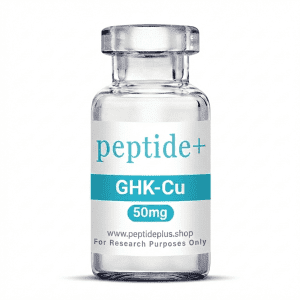
GHK-Cu Bali supplies genuine, third-party-tested copper peptide (GHK-Cu) for research, with discreet same-day delivery across the island and WhatsApp ordering.
Replies in minutes. No prepayment, you pay on confirmation.
Discreet delivery across Bali, usually within hours.
Genuine GHK-Cu with a verifiable Janoshik COA.
Plain, unmarked packaging to your villa or clinic.
Kept cool in transit to protect the compound.
Research-use pricing, current June 2026. Confirm the latest on WhatsApp.
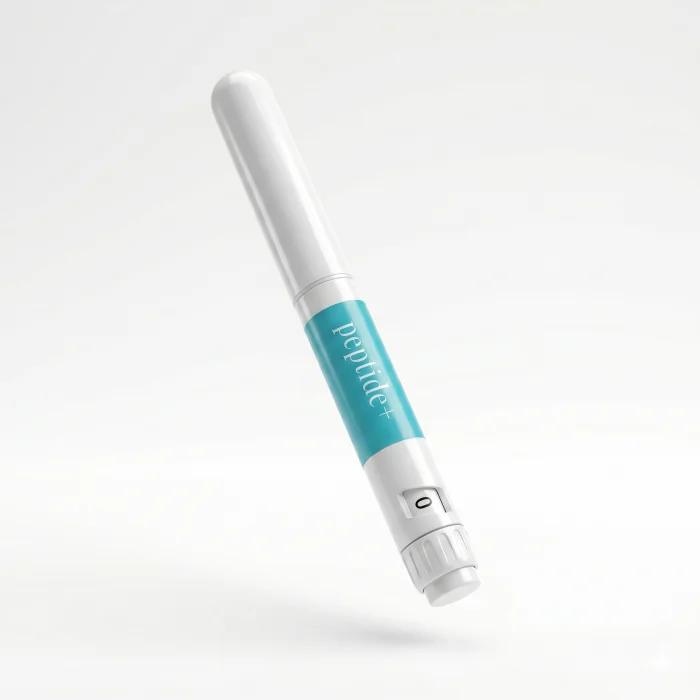
Pre-measured research pen for convenient handling.
Order on WhatsAppFree same-day delivery included. No prepayment to enquire: we confirm stock, price and delivery first. Pay by bank transfer, card payment link, crypto, or cash on delivery.
Just researching? Message "PRICES" and we send the full list →
Real Google reviews of the Peptide+ service, rated 5.0 from 78+ reviews.
My favourite peptide company in Bali. Best pricing and fast delivery. I highly recommend buying your peptides here.
Best peptides in Bali. Good consultation and the delivery was quick. All around good customer service.
Quick and efficient service. Delivery direct to hotel within an hour of ordering. Recommend.
Couldn't recommend enough. Really professional with great advice and really quick service. Packaged up really well.
Great selection and customer service. Delivery was fast.
GHK-Cu (copper tripeptide-1) is a naturally occurring copper-binding peptide and one of the most-studied copper peptides in research.
Supplied strictly for laboratory and research purposes. Not for human or veterinary use.
Researchers study GHK-Cu across several pathways.
Studied in skin, collagen and extracellular-matrix research, the area GHK-Cu is best known for.
Investigated in hair-follicle and scalp research models.
Studied in wound and tissue-repair research alongside other recovery compounds.
Third-party tested with a COA you can open yourself.
Same-day, discreet, cold-chain delivery across Bali.
WhatsApp guidance on reconstitution and storage.
Tell us the compound and your area.
No prepayment. Pay on confirmation by bank transfer, card link, crypto, or cash on delivery.
Discreet, cold-chain delivery to your door, usually within hours.
| Compound | GHK-Cu (copper tripeptide-1) |
| Format | Lyophilised vial / pre-measured pen |
| Strength | 50mg |
| Storage | Cool, dark; refrigerate after reconstitution |
| Reconstitution | Bacteriostatic water |
| Delivery | Same-day across Bali; nationwide shipping |
| Use | Laboratory & research only |
In 1988, a research team led by Maquart added a copper-binding tripeptide called GHK-Cu to fibroblast cultures and measured how much collagen the cells made. Even at very low concentrations the compound stimulated collagen synthesis, one of the earliest published results behind the idea that GHK-Cu plays a role in wound healing (Maquart et al., FEBS Letters, 1988, an in vitro fibroblast study).
Much of the later work traces back to the biochemist Loren Pickart, who continued studying the copper-bound tripeptide for decades. A 2015 review by Pickart in Biomed Research International described GHK-Cu as interacting with several cellular pathways involved in skin regeneration, including collagen and glycosaminoglycan metabolism (Pickart, Biomed Research International, 2015, a narrative review). A further 2018 paper by Pickart and Margolina in the International Journal of Molecular Sciences summarised gene-expression data, describing GHK-Cu's association with genes involved in tissue formation and cell protection, along with proposed effects on DNA-repair-related pathways (Pickart and Margolina, International Journal of Molecular Sciences, 2018, a narrative review of gene-expression data). Both papers are reviews written by the same researcher who has studied the compound since the 1980s, which is worth knowing when weighing how much independent confirmation stands behind the claims inside them.
A 2008 review by Pickart in the Journal of Biomaterials Science, Polymer Edition looked specifically at tissue remodeling, covering how GHK-Cu is reported to attract repair-related cells to a wound site and influence inflammation and structural-protein synthesis in the studies it cites (Pickart, Journal of Biomaterials Science Polymer Edition, 2008, a narrative review of tissue-remodeling research).
The color comes from the copper ion bound inside the tripeptide. Copper complexed to a peptide backbone commonly produces a blue or turquoise tint in solution, the same basic coordination chemistry seen in other copper compounds. A solution that looks pale, colorless or brown is worth asking your supplier about, since color is one of the simplest checks available without lab equipment.
Light and heat both speed up peptide breakdown in general, which is why GHK-Cu vials are kept cool and out of direct light before use, and refrigerated once reconstituted. That applies whether the compound arrives as the standard vial or the pre-measured pen: keep it cold, keep it dark, and reconstitute with bacteriostatic water as described on this page. Researchers sourcing GHK-Cu in Bali should expect the same handling rules either way.
The color comes from the copper ion bound inside the tripeptide. Copper complexed to a peptide backbone typically produces a blue or turquoise tint in solution, standard coordination chemistry rather than an added dye. A solution that looks pale, colorless or brown is worth asking your supplier about.
Yes. Peptides generally break down faster when exposed to light and heat, and GHK-Cu is no exception. Lyophilised vials are best kept dark and cool before use, and reconstituted solution should go into the fridge and stay shielded from direct light between uses.
A large share of the published work traces back to the biochemist Loren Pickart, who has studied the copper-bound tripeptide since the 1980s. Several of the widely cited papers are narrative reviews written by Pickart himself, useful context when weighing how independent the evidence is.
Two practical things: how the compound was verified before it reached you, and whether the format, standard vial or pre-measured pen, fits how the project will use it. Neither replaces a researcher's own protocol for confirming and handling the compound once it arrives.
GHK-Cu (copper tripeptide-1) is a naturally occurring copper-binding peptide widely studied in skin, hair and tissue-repair research.
Yes. Our GHK-Cu 50mg has a verifiable Janoshik Certificate of Analysis you can open yourself.
A standard 50mg research vial and a pre-measured 50mg research pen.
Message us on WhatsApp with the format and your Bali location. We confirm stock, price and delivery, with payment on confirmation.
Same-day across most of Bali. Nationwide shipping from Bali is also available.
Keep lyophilised GHK-Cu cool and out of light. After reconstitution, refrigerate and use within the compound's typical window.
With bacteriostatic water. We can guide you through the process on WhatsApp.
No. It is supplied strictly for laboratory and research purposes, not for human or veterinary use.
Message GHK-Cu Bali on WhatsApp for genuine, third-party-tested copper peptide, delivered across Bali for research use.
Order on WhatsAppReplies in minutes. No prepayment, you pay on confirmation.